
Port Neches, TX (409) 727-1122


Port Neches, TX (409) 727-1122
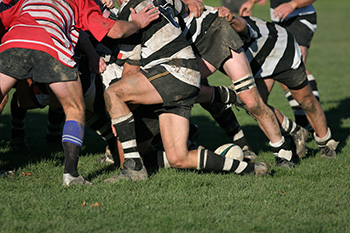
Foot and ankle injuries are common in rugby due to its high impact, fast-paced nature. Players with rigid feet may face a higher risk because reduced flexibility can limit shock absorption during sudden movements. Common foot and ankle injuries include ankle fractures and metatarsal fractures, often caused by direct contact during tackles or forceful twisting motions. These injuries can lead to pain, swelling, and difficulty with weight-bearing activities. A podiatrist can assess foot structure, provide an accurate diagnosis, and recommend supportive care, such as custom orthotics and rehabilitation plans. Injuries like ankle fractures require prompt attention. If you have endured a foot or ankle injury while engaging in a sports activity, it is suggested that you consult a podiatrist who can offer effective relief and treatment solutions.
Ankle and foot injuries are common among athletes and in many sports. They can be caused by several problems and may be potentially serious. If you are feeling pain or think you were injured in a sporting event or when exercising, consult with one of our doctors from Texas. Our doctors will assess your condition and provide you with quality foot and ankle treatment.
Common Injuries
The most common injuries that occur in sporting activities include:
Symptoms
Symptoms vary depending upon the injury and in some cases, there may be no symptoms at all. However, in most cases, some form of symptom is experienced. Pain, aching, burning, bruising, tenderness, tightness or stiffness, sensation loss, difficulty moving, and swelling are the most common symptoms.
Treatment
Just as symptoms vary depending upon the injury, so do treatment options. A common treatment method is known as the RICE method. This method involves rest, applying ice, compression and elevating the afflicted foot or ankle. If the injury appears to be more serious, surgery might be required, such as arthroscopic or reconstructive surgery. Lastly, rehabilitation or therapy might be needed to gain full functionality in the afflicted area. Any discomfort experienced by an athlete must be evaluated by a licensed, reputable medical professional.
If you have any questions please contact our office located in Port Neches, TX . We offer the newest diagnostic and treatment technologies for all your foot and ankle needs.
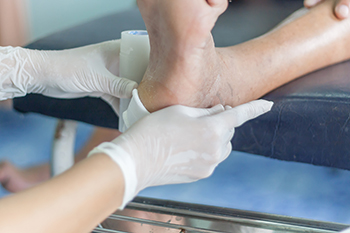
A diabetic foot ulcer is an open sore or wound that develops on the foot as a serious complication of diabetes-related nerve damage and poor circulation. Reduced sensation in the feet may prevent a person from noticing small injuries, which can gradually develop into ulcers if untreated. Symptoms include redness, drainage, swelling, and slow-healing skin breakdown. Risk factors involve long-term diabetes, nerve-related changes, reduced blood flow, wearing poorly-fitted footwear, and inadequate foot care. Proper care includes daily foot inspections, maintaining clean and dry skin, supportive footwear, and seeking early medical attention for any skin changes. A podiatrist can evaluate circulation, treat wounds, and guide preventive care. If you have diabetes and if foot wounds or skin changes appear, it is suggested that you are under the care of a podiatrist who can help you to manage this serious condition.
Wound care is an important part in dealing with diabetes. If you have diabetes and a foot wound or would like more information about wound care for diabetics, consult with one of our doctors from Texas. Our doctors will assess your condition and provide you with quality foot and ankle treatment.
What Is Wound Care?
Wound care is the practice of taking proper care of a wound. This can range from the smallest to the largest of wounds. While everyone can benefit from proper wound care, it is much more important for diabetics. Diabetics often suffer from poor blood circulation which causes wounds to heal much slower than they would in a non-diabetic.
What Is the Importance of Wound Care?
While it may not seem apparent with small ulcers on the foot, for diabetics, any size ulcer can become infected. Diabetics often also suffer from neuropathy, or nerve loss. This means they might not even feel when they have an ulcer on their foot. If the wound becomes severely infected, amputation may be necessary. Therefore, it is of the upmost importance to properly care for any and all foot wounds.
How to Care for Wounds
The best way to care for foot wounds is to prevent them. For diabetics, this means daily inspections of the feet for any signs of abnormalities or ulcers. It is also recommended to see a podiatrist several times a year for a foot inspection. If you do have an ulcer, run the wound under water to clear dirt from the wound; then apply antibiotic ointment to the wound and cover with a bandage. Bandages should be changed daily and keeping pressure off the wound is smart. It is advised to see a podiatrist, who can keep an eye on it.
If you have any questions please contact our office located in Port Neches, TX . We offer the newest diagnostic and treatment technologies for all your foot and ankle needs.




 accessibility - Default