
Port Neches, TX (409) 727-1122


Port Neches, TX (409) 727-1122

Diabetes can lead to various foot and toenail issues due to poor circulation, nerve damage, and compromised immune function. Common toenail problems in diabetics include onycholysis, which is a separation of the nail from the nail bed, ingrown toenails, fungal infections, and periungual erythema, which is redness around the nail. These conditions often arise because diabetes weakens the body’s ability to fight infections and heal wounds. Symptoms include pain, swelling, discoloration, or a thickened nail, which may become brittle or discolored. Fungal infections may cause the nail to crumble or thicken, while ingrown toenails can cause tenderness and redness. Treatment may involve antifungal medications, proper nail trimming techniques, or the use of custom orthotics to alleviate pressure. In more severe cases, a podiatrist may recommend medical intervention or even nail removal. Proper foot care, including regular check-ups with a podiatrist, is essential for preventing complications. If you are dealing with these types of issues, it is suggested that you make an appointment with a podiatrist.
If left untreated, toenail fungus may spread to other toenails, skin, or even fingernails. If you suspect you have toenail fungus it is important to seek treatment right away. For more information about treatment, contact one of our doctors of Texas. Our doctors can provide the care you need to keep you pain-free and on your feet.
Symptoms
Treatment
If self-care strategies and over-the-counter medications does not help your fungus, your podiatrist may give you a prescription drug instead. Even if you find relief from your toenail fungus symptoms, you may experience a repeat infection in the future.
Prevention
In order to prevent getting toenail fungus in the future, you should always make sure to wash your feet with soap and water. After washing, it is important to dry your feet thoroughly especially in between the toes. When trimming your toenails, be sure to trim straight across instead of in a rounded shape. It is crucial not to cover up discolored nails with nail polish because that will prevent your nail from being able to “breathe”.
In some cases, surgical procedure may be needed to remove the toenail fungus. Consult with your podiatrist about the best treatment options for your case of toenail fungus.
If you have any questions please contact our office located in Port Neches, TX . We offer the newest diagnostic and treatment technologies for all your foot and ankle needs.
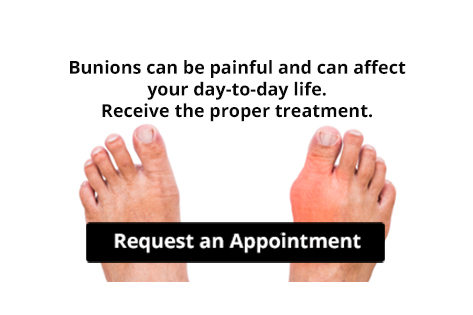
Have you noticed a bony protrusion on the side of your big toe? If so, you may have developed the foot condition known as a bunion. Don't let bunions interfere with your daily activities.

Morton’s neuroma is a painful condition that affects the ball of the foot, most commonly between the third and fourth toes, caused by irritation, compression, or thickening of the tissue around the nerves. It may look like a swelling or simply appear as a normal foot, making visual diagnosis difficult, but many individuals report a feeling of a small pebble under the foot or the sensation of walking on a folded sock. Symptoms include sharp, burning pain, tingling, numbness, or a stabbing sensation in the affected toes, often worsening with tight shoes or prolonged activity. Women are more likely to develop Morton’s neuroma, partly due to wearing narrow or high-heeled shoes that compress the forefoot. A podiatrist can perform a thorough examination, order imaging if needed, and recommend treatments such as custom orthotics, footwear modifications, anti-inflammatory medications, or corticosteroid injections. In severe or persistent cases, minor surgery may be necessary to relieve pressure on the nerve. Early intervention reduces pain and prevents progression. If you experience persistent forefoot pain or tingling, it is suggested that you make an appointment with a podiatrist.
Morton’s neuroma is a very uncomfortable condition to live with. If you think you have Morton’s neuroma, contact one of our doctors of Texas. Our doctors will attend to all of your foot care needs and answer any of your related questions.
Morton’s Neuroma
Morton's neuroma is a painful foot condition that commonly affects the areas between the second and third or third and fourth toe, although other areas of the foot are also susceptible. Morton’s neuroma is caused by an inflamed nerve in the foot that is being squeezed and aggravated by surrounding bones.
What Increases the Chances of Having Morton’s Neuroma?
Morton’s neuroma is a very treatable condition. Orthotics and shoe inserts can often be used to alleviate the pain on the forefront of the feet. In more severe cases, corticosteroids can also be prescribed. In order to figure out the best treatment for your neuroma, it’s recommended to seek the care of a podiatrist who can diagnose your condition and provide different treatment options.
If you have any questions, please feel free to contact our office located in Port Neches, TX . We offer the newest diagnostic and treatment technologies for all your foot care needs.

Children’s feet change quickly as they grow, and paying attention to their comfort can support healthy development. Many kids experience periods of rapid growth that can briefly affect balance or coordination, and it is common for their feet to look flat in early years as the arch gradually forms. Well-fitting shoes with enough room for the toes to move freely are one of the simplest ways to keep young feet comfortable. Noticing how your child walks can also be helpful, especially if they seem to trip often, favor one foot, or complain of pain after activity. Minor aches may come and go, but ongoing discomfort can signal issues that deserve a closer look. A podiatrist can assess alignment, gait, and development to ensure everything is progressing as it should. If concerns about your child’s feet persist, it is suggested that you see a podiatrist for proper guidance.
Making sure that your children maintain good foot health is very important as they grow. If you have any questions, contact one of our doctors of Texas. Our doctors can provide the care you need to keep you pain-free and on your feet.
Keeping Children's Feet Healthy
Having healthy feet during childhood can help prevent medical problems later in life, namely in the back and legs. As children grow, their feet require different types of care. Here are some things to consider...
Although babies do not walk yet, it is still very important to take care of their feet.
Avoid putting tight shoes or socks on his or her feet.
Allow the baby to stretch and kick his or her feet to feel comfortable.
As a toddler, kids are now on the move and begin to develop differently. At this age, toddlers are getting a feel for walking, so don’t be alarmed if your toddler is unsteady or ‘walks funny’.
As your child gets older, it is important to teach them how to take care of their feet.
Show them proper hygiene to prevent infections such as fungus.
Be watchful for any pain or injury.
Have all injuries checked by a doctor as soon as possible.
Comfortable, protective shoes should always be worn, especially at play.
If you have any questions, please feel free to contact our office located in Port Neches, TX . We offer the newest diagnostic and treatment technologies for all your foot care needs.

Recovering from a sprained ankle involves gentle exercises that restore range of motion, strength, and balance. Simple movements such as ankle circles and drawing the alphabet with your foot can improve flexibility and joint mobility. Towel curls, where you scrunch a towel using your toes, help rebuild strength in the smaller stabilizing muscles of the foot and ankle. As healing progresses, balance exercises improve stability and prevent future injury. A podiatrist can design a personalized exercise plan, ensuring safe progression and proper form while addressing any underlying issues that may delay recovery. If you have lingering pain, weakness, or instability after a sprain, it is suggested that you contact a podiatrist who can guide you toward additional ankle exercises to restore your mobility.
Exercising your feet regularly with the proper foot wear is a great way to prevent injuries and build strength. If you have any concerns about your feet, contact one of our doctors from Texas. Our doctors can provide the care you need to keep you pain-free and on your feet.
Exercise for Your Feet
Exercise for your feet can help you gain strength, mobility and flexibility in your feet. They say that strengthening your feet can be just as rewarding as strengthening another part of the body. Your feet are very important, and we often forget about them in our daily tasks. But it is because of our feet that are we able to get going and do what we need to. For those of us fortunate enough to not have any foot problems, it is an important gesture to take care of them to ensure good health in the long run.
Some foot health exercises can include ankle pumps, tip-toeing, toe rises, lifting off the floor doing reps and sets, and flexing the toes. It is best to speak with Our doctors to determine an appropriate regimen for your needs. Everyone’s needs and bodies are different, and the activities required to maintain strength in the feet vary from individual to individual.
Once you get into a routine of doing regular exercise, you may notice a difference in your feet and how strong they may become.
If you have any questions, please feel free to contact our office located in Port Neches, TX . We offer the newest diagnostic and treatment technologies for all your foot care needs.

For individuals managing diabetes, a foot wound is not just a minor injury, it represents a serious health risk. Elevated blood sugar over time can damage nerves, called neuropathy, and cause a dulling sensation so a small cut or blister goes unnoticed. Additionally, poor circulation, known as peripheral artery disease, slows healing, turning a simple wound into a chronic, non-healing ulcer that puts you at high risk for infection and potential limb loss. A podiatrist's role involves an important risk assessment to determine your level of vulnerability. This comprehensive exam includes checking for nerve function using specialized tools, assessing blood flow through palpation and Doppler studies, and evaluating any structural deformities that cause pressure points. This detailed information allows us to implement a targeted prevention and treatment plan, which is essential to safeguarding your mobility and overall health. Do not wait for a problem to appear. If you have diabetes and notice any changes to your feet, skin, or nail condition, it is suggested that you promptly schedule an appointment with a podiatrist for an exam and appropriate treatment.
Wound care is an important part in dealing with diabetes. If you have diabetes and a foot wound or would like more information about wound care for diabetics, consult with one of our doctors from Texas. Our doctors will assess your condition and provide you with quality foot and ankle treatment.
What Is Wound Care?
Wound care is the practice of taking proper care of a wound. This can range from the smallest to the largest of wounds. While everyone can benefit from proper wound care, it is much more important for diabetics. Diabetics often suffer from poor blood circulation which causes wounds to heal much slower than they would in a non-diabetic.
What Is the Importance of Wound Care?
While it may not seem apparent with small ulcers on the foot, for diabetics, any size ulcer can become infected. Diabetics often also suffer from neuropathy, or nerve loss. This means they might not even feel when they have an ulcer on their foot. If the wound becomes severely infected, amputation may be necessary. Therefore, it is of the upmost importance to properly care for any and all foot wounds.
How to Care for Wounds
The best way to care for foot wounds is to prevent them. For diabetics, this means daily inspections of the feet for any signs of abnormalities or ulcers. It is also recommended to see a podiatrist several times a year for a foot inspection. If you do have an ulcer, run the wound under water to clear dirt from the wound; then apply antibiotic ointment to the wound and cover with a bandage. Bandages should be changed daily and keeping pressure off the wound is smart. It is advised to see a podiatrist, who can keep an eye on it.
If you have any questions please contact our office located in Port Neches, TX . We offer the newest diagnostic and treatment technologies for all your foot and ankle needs.




 accessibility - Default