
Port Neches, TX (409) 727-1122


Port Neches, TX (409) 727-1122
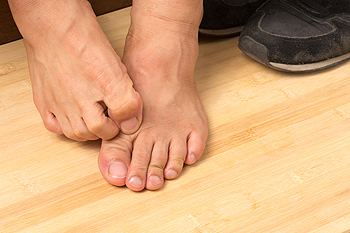 The fungus that causes athlete’s foot thrives in damp, dark, and warm places. That’s why you can contract athlete’s foot in locker rooms, changing areas in public pools, and other wet places where a lot of people walk or stand. Unsanitary practices in professional nail salons can also expose you to athlete’s foot. Mild cases typically present as fissures or patches between the toes, followed by itchy and red skin if the infection gets worse. You may experience blisters that can swell up between the toes or even on the bottoms of the feet and toenails. In the worst cases of athlete’s foot, you may develop a rash on the soles of the feet and there may be pus and an unpleasant order. To avoid athlete’s foot, you should always keep your feet clean and dry, change your socks daily, avoid sharing personal nail tools, and wear sandals in any wet, communal public place. If antifungal creams and powders do not get rid of the infection after two weeks, or your skin is peeling, itchy and covered in blisters, it is suggested that you seek the care of a podiatrist who can devise a successful treatment plan for you.
Athlete’s foot is an inconvenient condition that can be easily reduced with the proper treatment. If you have any concerns about your feet and ankles, contact one of our doctors from Texas. Our doctors will treat your foot and ankle needs.
Athlete’s Foot: The Sole Story
Athlete's foot, also known as tinea pedis, can be an extremely contagious foot infection. It is commonly contracted in public changing areas and bathrooms, dormitory style living quarters, around locker rooms and public swimming pools, or anywhere your feet often come into contact with other people.
Solutions to Combat Athlete’s Foot
Athlete’s foot can cause many irritating symptoms such as dry and flaking skin, itching, and redness. Some more severe symptoms can include bleeding and cracked skin, intense itching and burning, and even pain when walking. In the worst cases, Athlete’s foot can cause blistering as well. Speak to your podiatrist for a better understanding of the different causes of Athlete’s foot, as well as help in determining which treatment options are best for you.
If you have any questions please feel free to contact our office located in Port Neches, TX . We offer the newest diagnostic and treatment technologies for all your foot and ankle needs.




 accessibility - Default